
Article
The Team Manager: Youth Football's Most Undervalued Role
What a good team manager does before, during and after the match, and why the whole coaching staff works better when this role is properly filled.
- #coaching staff
- #match day
- #team managers
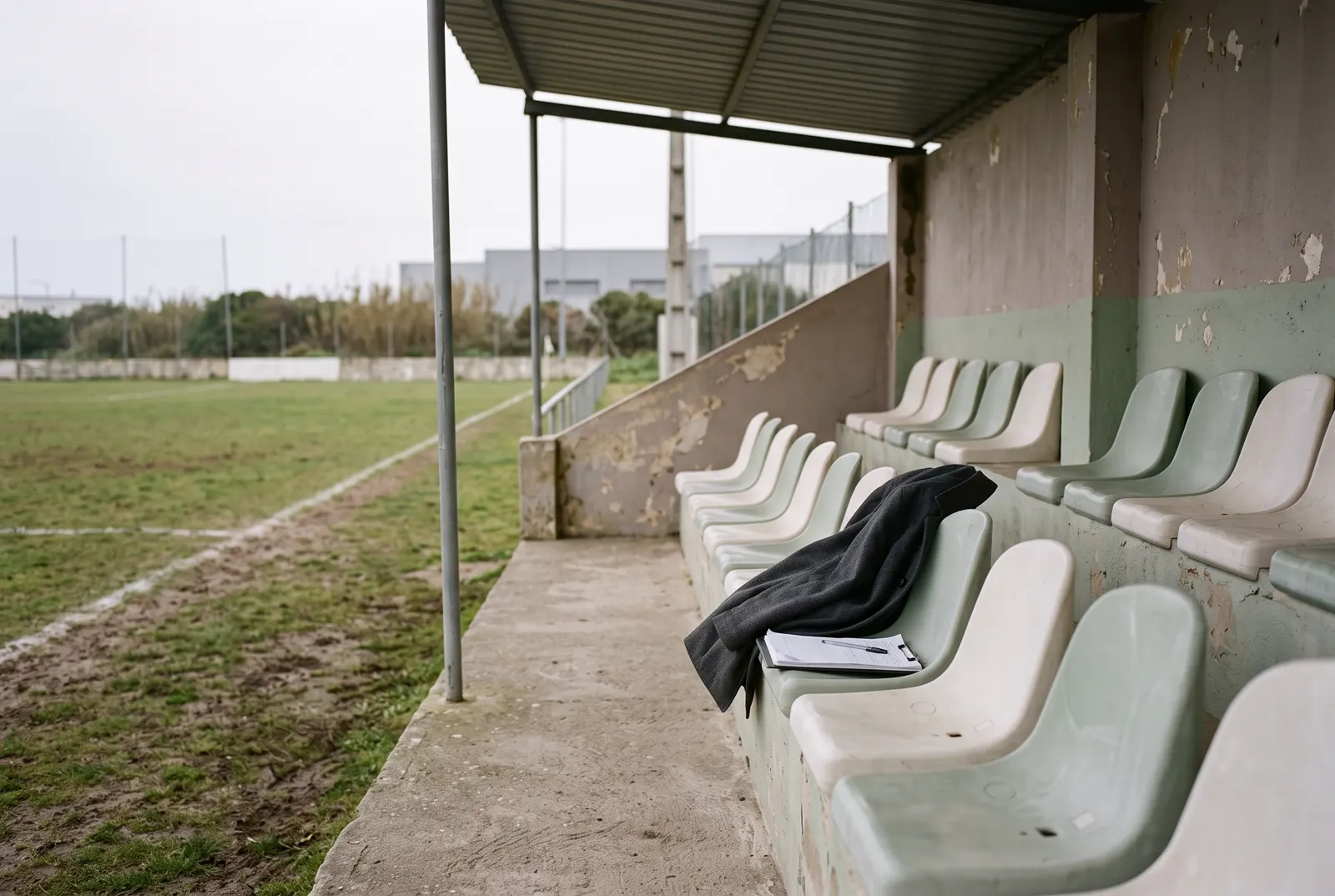
Ask a youth coach what the team manager does and the usual answer is vague: “sorts out the paperwork”. It is true, and it is unfair. A good team manager is the difference between a coach who coaches and a coach who spends Saturday morning solving logistics.
Before the match
The team manager confirms what nobody confirms until it is too late: the time and the venue (which change more often than they should), the player registrations, the kit, the changing-room key, the match ball. In youth football, half the late kick-offs are missing paperwork, and paperwork is their responsibility.
The rule of thumb: the coach should not touch a document on match day. If they do, the team manager’s role is unfilled.
During
The team manager is the adult who is not coaching. They see what the coach cannot: the substitute who went cold and lost interest at half-time, the parent getting worked up in the stand, the player who came off hurt and says they are fine. None of this is tactical, and all of it blows up in the coach’s hands if nobody catches it in time.
After
Result, goals, cards, any incident: recorded on the day, not on Tuesday from memory. Five minutes at the end of the match save the classic end-of-season argument: how many goals did the boy score? It depends who is counting.
Why this matters for the coaching staff
When the team manager’s role is clear, the assistant works with the team and the coach decides. When it is not, everyone does a bit of everything and nobody does anything fully. Youth football is full of three-person coaching staffs that work like one and a half people. The difference is almost always here.
Taking the role seriously also means giving them the right tools. In My Team Manager, the team manager runs everything in their age group except the technical work: they take the register and record RPE, run the live match and write the match report, and look after the documents (including the players’ documents for the age group), injuries, the family area, forms and equipment. The game model, the tactics board, the library, periodisation, fitness tests, the session plan and the call-up stay with the coach. That is the permissions design that makes sense in a youth set-up: each person does what is theirs to do, and does it fully.